Article



Good nutrition isn’t just about avoiding deficiencies; it can actively help the body stay strong, energized, and resilient. Ingredients like astaxanthin, a naturally occurring antioxidant found in foods such as salmon and microalgae, can support the body to maintain and optimize good health. Research suggests that astaxanthin may help protect cells from everyday oxidative stress and support the maintenance of healthy skin and muscle function. It offers a simple example of how targeted nutrients can complement a healthy diet and give the body extra support to function at its best.
The Council for Responsible Nutrition (CRN) is a leading trade association representing the dietary supplement and functional food industry, and each year it hosts an international symposium that brings together scientists, policymakers, and industry leaders to explore how nutrition can support long term health. As a global company committed to advancing responsible, science-based nutrition, AstaReal is an active CRN member. We value strong regulatory standards and global collaboration, which is why we engage in these efforts.
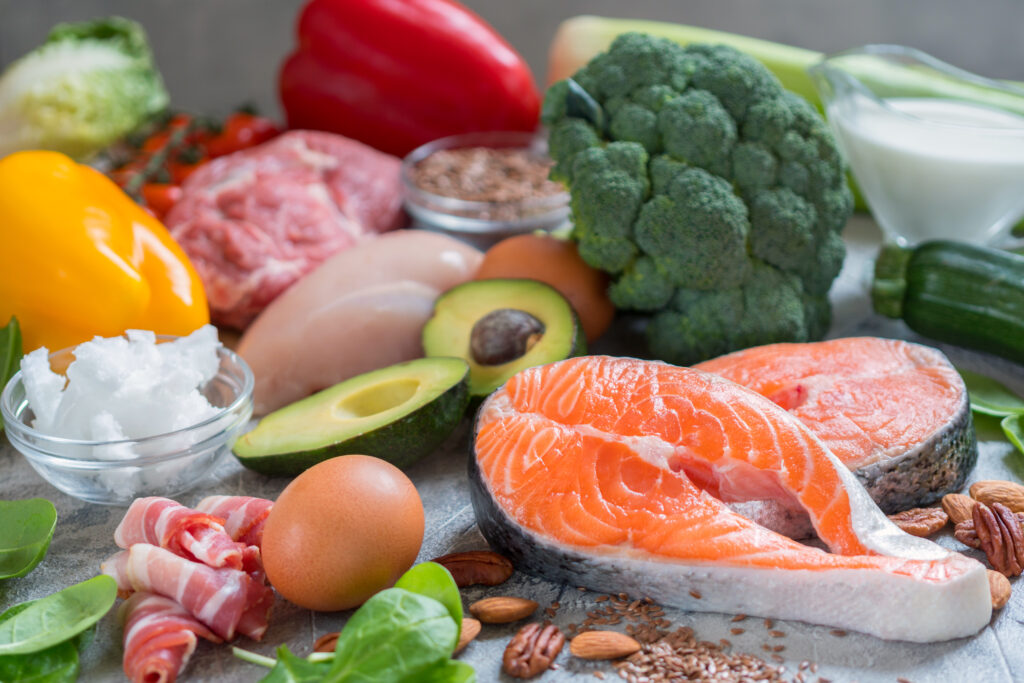
A CRN-International symposium report titled, “Food Is Medicine: The Role of Nutrition in Extending Healthspan,” captures the conversation around the profound impact of dietary habits as powerful tools promoting resilience and healthspan on a population level. The report highlights how diet does more than provide energy and essential nutrients, by modulating key processes related to physical and cognitive health and supporting optimal biological functions before the need for clinical interventions arises.
The idea behind Food is Medicine (FIM) marks a shift in how we think about nutrition as part of healthcare. Instead of viewing diet only as a way to prevent malnutrition or fix deficiencies, FIM treats food as a practical tool for supporting overall health and daily function.
The 2026 CRN-I symposium report brings together research and real‑world examples showing that nutrition can be a scalable, evidence‑based way to promote long‑term well‑being.
From a health‑promotion standpoint, two concepts help explain why nutrition matters so much: Intrinsic Capacity and Resilience. Intrinsic capacity refers to the physical and cognitive abilities we rely on every day, while resilience describes how well our bodies can adapt to and recover from stress. For example, astaxanthin may increase the intrinsic capacity to respond to oxidative stress by neutralizing free radicals and increasing expression of the body’s own endogenous antioxidants. It may also support resilience to mental and physical fatigue, promoting recovery from exercise and cognitive loads.
Higher levels of intrinsic capacity and resilience are tied to a longer healthspan, which is defined as the years we spend living in good health with strong function and quality of life. Because nutrition is something we can change, it plays a key role in supporting these outcomes for individuals and communities alike.
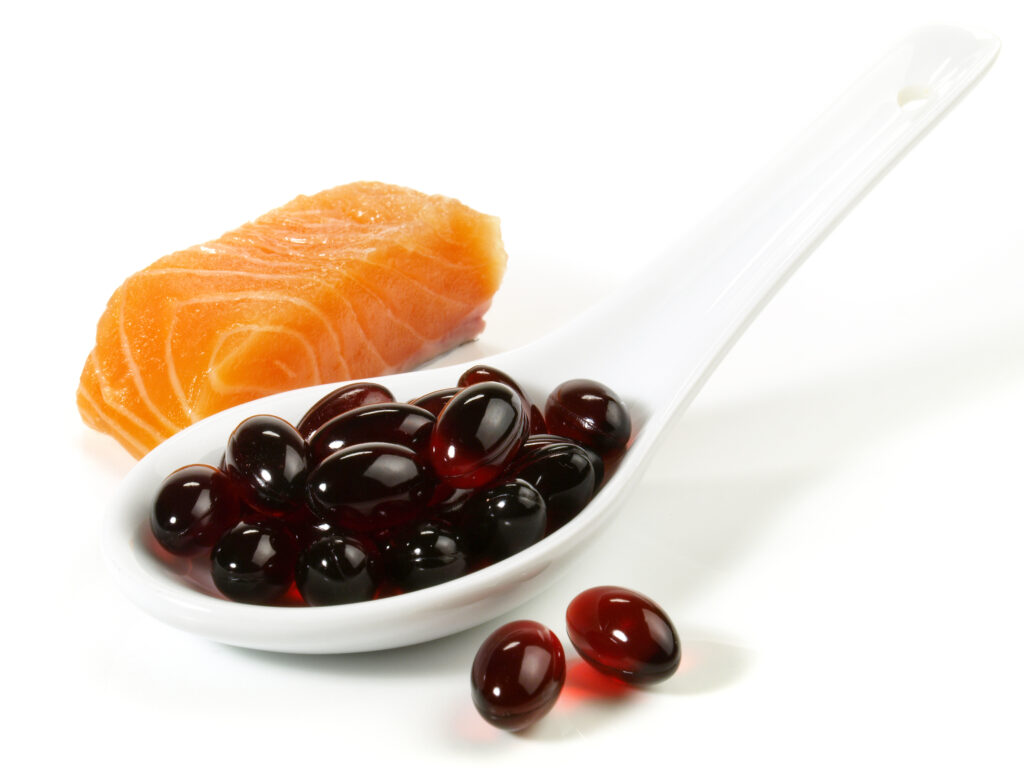
As an intervention, this raises a clear question: should dietary and health supplements be incorporated into the Food is Medicine (FIM) framework? Supplements are intended to complement (not replace) a nutrient-dense, well-balanced diet. The use of supplements in the United States is prevalent, with about 75% of adults reporting that they turn to supplements for improving and maintaining overall health. This widespread adoption reflects both consumer demand and a growing recognition of nutrition’s role in health outcomes.
Integrating targeted supplementation into a FIM framework is more feasible today given advances in nutrition science, regulatory oversight, and evidence-based formulation. Supplementation strategies are a good fit in areas where diet alone may be insufficient to meet physiological needs, optimal health, or performance outcomes.
Food is Medicine (FIM) is not a novel paradigm. It is a rediscovery of a principle deeply embedded in the foundations of human health. Ancient and traditional uses across cultures recognized the healthful value of food. What is new, however, is the scientific validation of these early insights. Modern research has established nutrition as biologically active, evidence-based, and central to health maintenance and optimization. For example, AstaReal® Astaxanthin is supported by over 85 human clinical studies, ensuring that health benefits related to astaxanthin in supplement products can be credibly substantiated. This positions FIM not as an alternative philosophy, but as an essential component of integrative healthcare.
Realizing this potential requires a comprehensive approach. One that integrates evidence-based supplementation, early nutritional intervention, health promotion, and sensitivity to cultural and social determinants of diet. Continued research, particularly in food processing, personalized nutrition, and scalable interventions, will be critical to advancing this field. AstaReal is contributing to this future by continuing to invest in high‑quality research through the AstaReal® Network for Sports Nutrition (ANSN). This initiative focuses on advancing both the clinical science and real‑world application of targeted astaxanthin supplementation, positioning it as a valuable tool that aligns naturally with the FIM framework.
For the nutraceutical industry, the implication is unequivocal: nutrition is no longer optional, it is a strategic imperative. Organizations that operationalize FIM principles through product innovation, cross-sector partnerships, education, and targeted solutions will lead the ongoing transformation of healthcare to proactive, nutrition-centered care.
