Article




Guest Author: Hunter Waldman, PhD, CSCSD is a physiologist and researcher focused on nutrition, cognition, and performance optimization. His work explores how targeted supplementation, such as Astaxanthin, enhances brain function, metabolic health, and recovery in various populations.
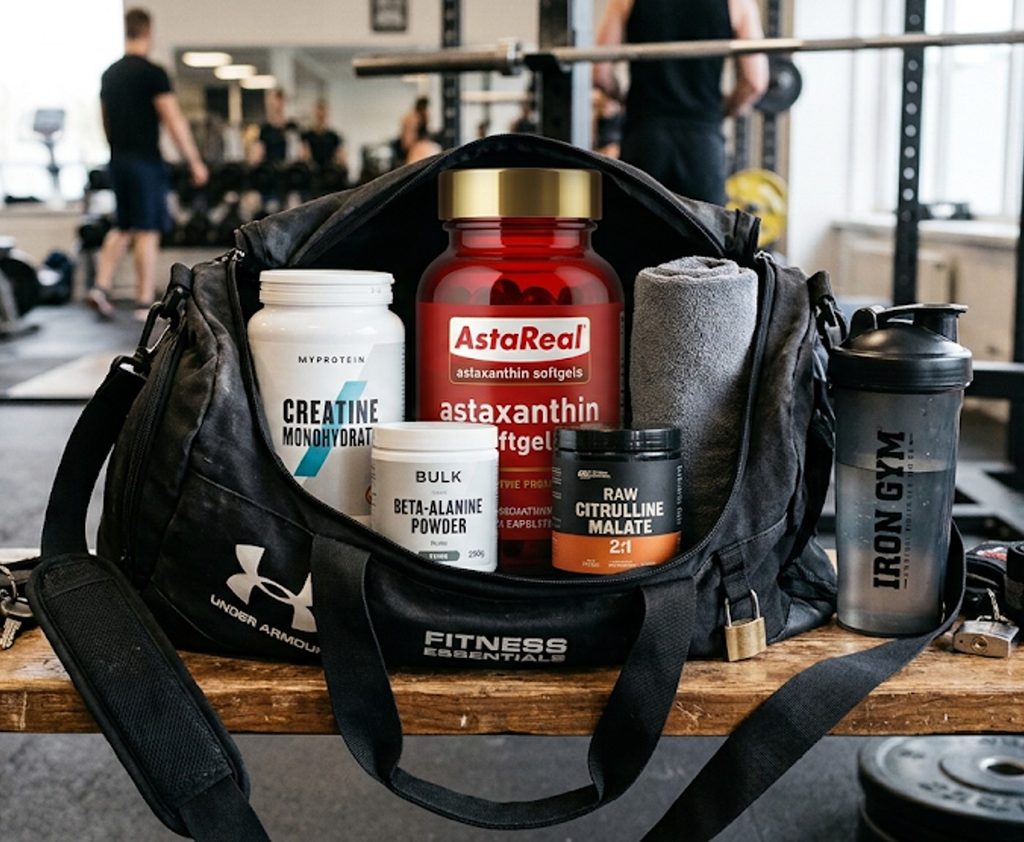
Walk into any gym or glance inside an athlete’s gym bag, and you will likely see the exact same lineup of dietary supplements: Creatine, beta-alanine, citrulline malate, caffeine, etc., and for good reason. When it comes to performance output, these are the undisputed heavy hitters in sports nutrition.
As an exercise physiologist and sports nutrition researcher, I spend a lot of time studying what people take and why they take it. When you look at the general population, about 60% of adults use dietary supplements, mostly aiming to fill nutrient gaps or support healthy aging like cardiometabolic health. When you shift your focus to active individuals and athletes, however, that number jumps anywhere to 40-100% of users reporting daily use of supplements. Moreover, the motivation for supplementation changes completely with a shift towards performance output.
Every single one of the previously mentioned supplements are there to help you push harder in the moment. Creatine fuels explosive power. Beta-alanine buffers the burn so you can squeeze out a few more reps. Citrulline boosts blood flow for a better pump and endurance. There are even benefits from these supplements we are finding that extend beyond performance (e.g., creatine and cognition). And while these supplements are ideal for maximizing performance, it leaves the individual missing a bigger part of the picture…the recovery window.

The 23-Hour Blind Spot
Here is the problem I recently discussed at the AstaReal Network for Sports Nutrition (ANSN) symposium: we are over-supplemented for output, yet chronically under-supported for recovery.
Think about the math of a typical day. Even if you are a dedicated exerciser or competitive athlete, you probably spend about one hour a day actively training. What happens during the other 23 hours? That is when your body repairs tissue, clears metabolic waste, and actually builds the strength and endurance you worked for (see General Adaptation Syndrome or Theory for an overview).
When you take supplements designed strictly to push your engine harder, you generate more heat, more mechanical stress, and more oxidative wear-and-tear on your muscle cells. If your entire routine is built around driving output while ignoring the 23-hour recovery window, you are missing the bigger picture.
Astaxanthin: The Glue That Holds the Stack Together
This is where I think a supplement like astaxanthin can enter the conversation. Not as a replacement for your favorite supplement, but as a supplement that helps the entire performance stack work better together.
If you haven’t heard of astaxanthin yet, it is a powerful, naturally occurring antioxidant carotenoid (it’s actually the pigment that gives wild salmon and flamingos their vibrant pink-red color). Unlike acute stimulants that you take 20 minutes before hitting the weights to feel an immediate rush, astaxanthin is an antioxidant you supplement with daily.
In my research, I look closely at how nutrients interact with cellular health, muscle recovery, and fatigue resistance. Astaxanthin has a unique molecular structure that allows it to span the entire lipid bilayer of your cell membranes and specifically protecting the mitochondria, the powerhouses of your muscle cells.
Think of your body like a high-performance race car. Creatine, beta-alanine, caffeine and citrulline make the car go faster on the track. Astaxanthin is the coolant and engine oil. It manages the oxidative stress and muscle damage caused by hard training, keeping your cellular engine from overheating so you can show up tomorrow and perform at your peak all over again.
Shifting From Acute Output to Daily Resilience
When people first learn about astaxanthin, they often wonder if they should take it by itself instead of their usual sports supplements. My answer is simple: don’t replace your stack, just make it more comprehensive.
Fitness and longevity are not built in a single workout; they are built through consistency over weeks, months, and years. By pairing acute performance supplements with a daily recovery facilitator like astaxanthin, you bridge the gap between what happens in the gym and how well your body adapts afterward.
It’s time to move beyond a mindset focused purely on acute output. When you support your cells during the 23 hours you are not training, every single ingredient in your gym bag works better.
